Category: Health

  • Do Cooling Pillows Really Help You Sleep Better?

    Stuffy nights don’t need to ruin your rest. If you overheat, wake up sweaty, or flip your pillow to the “cool side” at 3 a.m., a cooling pillow can help. 

    These pillows are engineered to pull heat away from your head and neck, increase airflow, and keep moisture under control so you fall asleep faster and stay asleep longer. 

    So here,, we’ll explain what cooling pillows are, how they work, how they improve sleep quality, who needs one, and how to pick the right model for you. We’ll also answer the big question: are cooling pillows worth it?

    What Are Cooling Pillows?

    Cooling pillows are specialty pillows designed to keep you cooler and drier through the night while still supporting your head and neck. In a cooling pillow case cover, many use heat-dispersing foams, breathable latex, ventilated cores, or fibers that wick sweat. Some fabrics (often called phase-change materials) absorb excess heat and release it gradually to maintain a more stable skin temperature.

    How Do Cooling Pillows Work?

    When you lie down, your head and neck naturally shed heat. Traditional foam or dense fiber pillows can trap that heat, creating a warm, humid microclimate that leads to sweating and wake‑ups. Cooling pillows fight this in a few ways:

    Heat transfer: Infused gels, graphite, copper, or PCM treatments draw heat away from the surface you touch.

    Airflow: Vent channels, perforations, or breathable shredded fills move warm air out and pull fresh air in.

    Moisture control: Wicking fibers and breathable shells keep sweat from building up and feeling clammy.

    Stable surface temperature: Phase‑change coatings absorb excess warmth and release it slowly so the surface feels comfortably cool instead of hot‑cold swings.

    Pairing the pillow with a cooling pillow case cover enhances each of these mechanisms by reducing surface friction and improving evaporation.

    How Cooling Pillows Improve Sleep Quality

    Let’s look at the direct benefits you can feel—especially if you’re a hot sleeper.

    1) Better Temperature Regulation

    Cooling pillows disperse heat and prevent it from building up around your head and neck. Keeping a steadier temperature makes it easier to fall asleep and to stay in deeper stages of sleep.

    2) Fewer Night Sweats

    Breathable materials and wicking textiles pull moisture away, so your skin feels drier and your pillow doesn’t get damp. A cooling pillow case cover accelerates this effect by increasing evaporation at the surface.

    3) Improved Comfort & Pressure Relief

    Many cooling pillows use memory foam, latex, or advanced fiber blends that cradle the head while maintaining support. This can reduce strain on your neck and make it easier to relax into deeper, more restorative sleep.

    4) Reduced Sleep Disturbances

    If you’re not waking up sweaty or flipping your pillow to find a cool spot, you’re less likely to interrupt your sleep cycles. Fewer awakenings can translate to better morning energy.

    5) Better Sleep Hygiene

    Covers designed for cooling often dry quickly and many are antimicrobial. Using a washable cooling pillow case cover helps limit odor and bacterial buildup between laundry days, supporting a fresher sleep environment.

    6) More Consistent Sleep Quality

    Stable temperature supports the body’s natural thermoregulation at night. When you’re comfortably cool, it’s easier to drift into and maintain restorative sleep stages.

    7) Longer Sleep Duration

    By removing common heat‑related triggers for wakefulness, cooling pillows can help you sleep longer with fewer disruptions—great for post‑workout recovery or busy schedules.

    Who Needs a Cooling Pillow?

    Everyone can benefit from better temperature control, but you’ll especially appreciate a cooling pillow if you:

    Run hot at night: Overheating makes it hard to fall asleep and easy to wake up. A cooling pillow provides a steady, comfortable surface.

    Experience night sweats: Breathable cores and covers manage moisture so you stay drier and more comfortable.

    Are an athlete or fitness enthusiast: Extra circulation and heat after training can linger. Cooling support encourages relaxation and recovery.

    Have hormonal changes (e.g., menopause): A cooler pillow can reduce heat-triggered wake-ups.

    Sleep on your side: Side sleepers need both loft and airflow. Many cooling pillows are contoured or tall enough to align the neck without trapping heat.

    Live in warm or humid climates: If your bedroom is warm, a cooling pillow plus a cooling pillow case cover can make a noticeable difference—AC or no AC.

    Have allergies or sensitive skin: Quick-dry, washable covers help reduce irritants, while better airflow keeps the surface fresher.

    Deal with neck or back pain: Supportive materials stabilize your neck; staying cool reduces tossing and turning that can aggravate pain.

    Conclusion

    Cooling pillows can absolutely help you sleep better especially if you’re a hot sleeper, live in a warm climate, or struggle with night sweats. They disperse heat, manage moisture, and provide the support your neck needs. 

    For the best results, pair your pillow with a breathable cooling pillow case cover and choose a loft and firmness that match your sleep position. Do that, and you’ll spend less time flipping for the “cool side” and more time actually sleeping.

  • How Our Home Care Workers Make a Difference in Adelaide Communities

    Home care is more than just assistance with daily routines. It is about building trust, connection, and dignity for people who wish to remain in their homes. In Adelaide, this support is vital as more families seek reliable ways to assist their loved ones. Adelaide home care services provide not only practical assistance but also emotional support to individuals and their families. From lending a hand with meals to offering meaningful conversations, care workers create lasting change in neighbourhoods. Their work enriches lives and strengthens the sense of community across the city.

    Meeting Everyday Needs

    At the heart of this service is a focus on the basics. Care workers assist with tasks such as cooking, cleaning, and personal care. These simple tasks enable people to remain independent and feel at ease in their homes. Families rely on Adelaide home care workers to step in when needed, knowing daily routines will not be disrupted.

    Daily help also prevents small challenges from becoming overwhelming. Something as simple as preparing meals or organising medications makes life easier for people who may struggle with these tasks. This practical support ensures that individuals maintain confidence in their ability to live at home.

    Providing Emotional and Social Support

    Alongside physical assistance, care workers help reduce loneliness. Many older adults face isolation, and regular visits make a real difference. By listening, sharing stories, or joining in activities, care workers create bonds that go beyond routine tasks. This form of support for older people is vital in a time when many live alone or have limited contact with friends and family. Having someone check in, encourage conversation, or accompany them on outings improves mental well-being. An emotional connection is just as important as physical care, and workers bring both into their daily interactions.

    Encouraging Independence

    A key factor to consider is how home care allows people to live with dignity. By offering guidance rather than taking over, workers promote confidence in daily tasks. Whether it is helping with mobility or assisting with errands, support for older people goes hand in hand with encouraging independence. This approach is not only empowering but also cost-effective. It allows individuals to rely less on residential aged-care facilities and stay longer in familiar surroundings. Independence, even in small ways, builds self-worth and ensures that people feel capable of managing their own lives with the right level of assistance.

    Strengthening Families and Communities

    When care workers step in, families also feel relief. Relatives can focus on their own commitments, knowing their loved ones are well cared for. These efforts strengthen community ties and reduce pressure on hospitals and aged-care facilities. In this way, Adelaide home care contributes to healthier, more connected communities. Care workers also provide families with guidance and updates about their loved one’s condition. This reassurance allows families to plan and make informed decisions. In many cases, the relationship between care workers, clients, and families becomes a trusted partnership that benefits everyone involved.

    Conclusion

    Home care workers play a vital role in the Adelaide community. They do far more than manage daily routines. They bring compassion, consistency, and encouragement into people’s lives. Their presence allows individuals to live safely at home while maintaining independence and dignity. Families benefit from the reassurance of knowing professional support is close at hand.

    Most importantly, their work provides meaningful support for older people, helping to reduce isolation and improve quality of life. With every visit, Adelaide home care workers make a lasting difference, one household at a time. Their impact extends beyond individual homes and strengthens the wellbeing of entire communities.

  • How Vets Help Pets With Nervous System Disorders: Diagnosis & Treatment

    Pets, like humans, can suffer from nervous system disorders that affect their quality of life. Whether it’s a change in behavior, difficulty moving, or unusual symptoms, it’s crucial to understand how vet neurologists help pets with nervous system disorders.

    If you’ve noticed your pet struggling, don’t wait – early diagnosis and treatment can make a big difference. 

    Let’s dive into how veterinarians address these issues and help your pet feel better.

    What Are Nervous System Disorders In Pets?

    The nervous system is responsible for controlling everything from movement to organ function in your pet’s body. A nervous system disorder can happen when there’s an issue with the brain, spinal cord, nerves, or muscles. Common conditions include:

    • Seizures
    • Neuropathy (nerve damage)
    • Intervertebral disc disease (IVDD)
    • Brain tumors
    • Cerebellar ataxia (coordination problems)

    These conditions can range from mild to severe, and symptoms may be hard to spot at first. However, if your pet is exhibiting signs of pain, lack of coordination, or sudden behavioral changes, it’s essential to seek veterinary care.

    Signs Of Nervous System Disorders In Pets

    Pets often can’t communicate with us directly, so recognizing the signs of a nervous system disorder is essential. Look for these symptoms:

    • Unusual gait: Walking in circles, staggering, or dragging paws.
    • Seizures: Loss of control, convulsions, or shaking.
    • Behavior changes: Sudden aggression, confusion, or disorientation.
    • Loss of coordination: Difficulty jumping, walking, or balancing.
    • Pain or sensitivity: Whining when touched or reluctant to move.

    If you notice any of these signs, it’s crucial to get your pet checked by a vet as soon as possible.

    How Do Vets Diagnose Nervous System Disorders In Pets?

    Diagnosing a nervous system disorder can be complex because its symptoms often overlap with those of other health conditions. Here’s how a vet neurologist helps pets with nervous system disorders through diagnosis:

    1. Detailed Medical History

    The first step is gathering information about your pet’s symptoms. Vets will ask questions like:

    • When did the symptoms start?
    • Are there any specific triggers or patterns?
    • Has your pet had any previous health problems?

    1. Physical and Neurological Exam

    After reviewing your pet’s history, the vet will perform a thorough physical examination. This may include:

    • Testing reflexes and muscle strength.
    • Checking the eyes, ears, and coordination.
    • Observing your pet’s movements and behavior.

    1. Blood Tests and Imaging

     To rule out other conditions and confirm a diagnosis, your vet may suggest:

    • Blood work: To check for infections, toxins, or other underlying health issues. 
    • X-rays or MRIs: To view the bones, spine, and brain.
    • Electrodiagnostic tests: To assess nerve function.

    Treatment Options For Nervous System Disorders

    Once a diagnosis is made, your vet will recommend a treatment plan tailored to your pet’s specific condition. Treatment options can vary depending on the severity of the disorder. Here are some common approaches:

    • Medications

    Medication is often prescribed to manage symptoms and treat underlying causes. Some examples include:

    • Anticonvulsants for managing seizures.
    • Pain relievers for conditions like IVDD.
    • Steroids are used to reduce inflammation in the brain or spine.
    • Antibiotics are used if an infection is present.

    • Surgery

    In cases where medication alone isn’t effective, surgery may be necessary. This is particularly common for conditions like:

    • Intervertebral disc disease (IVDD), where surgery can remove damaged discs pressing on the spine.
    • Tumor removal, if a brain tumor is causing the neurological symptoms.

    • Physical Therapy

    For pets recovering from neurological issues, physical therapy plays a crucial role in the recovery process. It can help improve:

    • Mobility: Exercises to strengthen muscles and improve coordination.
    • Balance: Techniques to help pets regain their stability.
    • Pain relief: Methods to alleviate discomfort and improve quality of life.

    • Alternative Therapies

    Some vets may recommend alternative therapies alongside traditional treatments, such as

    • Acupuncture: To reduce pain and improve nerve function.
    • Laser therapy: To stimulate healing and reduce inflammation.

    What Is The Importance Of Early Intervention

    When it comes to nervous system disorders, early intervention is key. The sooner a vet can diagnose and treat your pet’s condition, the better the outcome is likely to be. If left untreated, certain conditions can result in permanent damage or an exacerbation of symptoms.

    How Can You Help Your Pet At Home?

    In addition to veterinary care, you can support your pet at home by:

    • Following your vet’s instructions carefully, including medication schedules and physical therapy exercises.
    • Monitoring symptoms: Keep a close eye on your pet’s behavior and physical condition to track progress and any changes.
    • Creating a safe environment: If your pet has balance issues, make sure there’s nothing around that could cause them to fall or injure themselves.

    Final Takeaway

    A vet neurologist diagnoses and treats nervous system disorders in pets, improving their health through medication, surgery, or physical therapy. 

    Contact a vet neurologist if you notice signs of a nervous system issue to help your pet recover or live comfortably.

  • Which Are the Principal Post-Translational Modifications of Proteins?

    Proteins are not quite functional at the moment when they are formed by ribosomes. Rather, numerous post-translational events occur to the protein, which are often collectively referred to as post-translational modifications (PTMs). 

    These alterations make a significant impact on the number of functions that proteins can perform, such as control of protein structure stability, activity, location, and interactions with other biomolecules. 

    PTMs play roles in the processes of signaling, immune response, repair, and programmed cell death.

    We will discuss the primary categories of post-translational modifications, their role, and significance in contemporary biomedical studies.

    Why Post-Translational Modifications Count?

    The proteins are the cellular workhorses that perform structural, enzymatic, and regulatory functions. But it is the fine-tuning, which is the result of PTMs, that makes them specific. In the absence of such changes, numerous proteins would not be able to fold properly and/or localize in the correct compartment and perform the desired activity.

    Moreover, the errors of PTMs are connected to cancer, neurodegenerative diseases, metabolic disorders, and autoimmune disorders. 

    Significant Classes of Post-Translational Processes

    01. Phosphorylation

    One of the most examined PTMs is phosphorylation. In this process, a phosphate group is added to serine, threonine, or tyrosine. It serves as a molecular switch to activate or inactivate enzymes as well as receptors on one side and controls signaling cascades such as the mitogen-activated protein kinase (MAPK) pathway and insulin signaling on the other side.

    Many researchers utilize the good quality of Phospho antibodies online to accurately analyze the pattern of phosphorylation of proteins, which allows tracing the signal pathways and clarifying pathological changes.

    02. Ubiquitination

    Ubiquitination involves the replacement of ubiquitin, a small protein, with a lysine residue on the intended protein. As the name implies, the effects of ubiquitination are not restricted to degradation. 

    Although polyubiquitination is commonly used to target proteins to destruction by the proteasome, monoubiquitination may be used to control protein trafficking, DNA repair, and transcription.

    03. Acetylation

    Depending on the lysine residues, the acetylation is normally vital in the DNA-protein interactions. Chromatin access and gene expression are regulated by histone acetylation, e.g., the balanced acetylation and deacetylation are implicated in such essential processes as stem cell renewal and cellular aging. 

    HDAC inhibitors, the clinical use of which as drugs is already known in cancer treatment, underline the pathogenic significance of this posttranslational modification.

    04. Glycosylation

    The addition of sugar groups to proteins by glycosylation is one of the structurally diverse PTMs. Protein folding, stability, immune recognition, and cell-cell communication require it. 

    The majority of therapeutic antibodies are modified by additional glycosylation as a method of enhancing their stability and efficiency. Malfunctions in glycosylation patterns are associated with inheritable diseases, immune-related diseases, and cancer.

    05. Methylation

    Methylation on proteins, usually on the residue arginine and lysine residues, is a ubiquitous mechanism of regulating gene expression and protein-protein interactions. Methylation of histone genes plays an essential epigenetic role in determining which set of genes is expressed and which ones remain silent. 

    06. Lipidation

    Lipidation is a covalent modification of proteins by lipid molecules that assists in their anchoring to cell membranes. This change causes the right localization of key signaling proteins. 

    As an example, Ras GTPases need to be lipid-modified in order to stimulate oncogenic signaling.

    07. Proteolytic Cleavage

    Certain proteins are formed as inactive precursors (zymogens) whose activation will require cleavage. Proteolytic cleavage occurs to render hormones such as insulin, digestive enzymes, and caspases biologically active. The irreversible alteration plays an important role in the developmental regulation and programmed cell death.

    NOTE: With the addition of specialized reagents, such as a c-Abl antibody, PTMs are essential in exploring the signal transduction pathways. 

    Conclusion

    Post-translational modifications are not merely additives to proteins; they control the life cycle of cells. Almost all biological processes are mediated by PTMs to refine the activity, stability, and functionality of proteins. 

    In cancer treatment research or neurodegenerative disease studies, post-translational modifications are the key to the discovery of the next generation of biomedical impact.

  • Understanding the Risks and Complications of Robotic Thyroid Surgery

    Robotic thyroid surgery has become a preferred option for many patients seeking a less invasive way to treat thyroid conditions. This approach offers benefits such as no visible neck scars, greater surgical precision, and faster recovery for eligible patients. However, like any surgical procedure, it is not without risks. Being aware of possible complications helps patients make informed decisions and prepare for a smooth recovery. This post outlines what patients should know about the risks involved in robotic thyroid surgery, what makes these risks different from traditional procedures, and how they are usually managed.

    What Is Robotic Thyroid Surgery?

    Robotic thyroid surgery is a minimally invasive technique used to remove part or all of the thyroid gland. Instead of making a large incision at the front of the neck, the surgeon uses a robotic system to operate through smaller incisions in less visible areas, such as under the arm or behind the ear. This method improves precision and reduces the risk of scarring on the neck, which is one of the main cosmetic concerns among patients undergoing thyroid surgery.

    Why Risk Awareness Is Important

    All surgeries carry some level of risk, even when performed using advanced techniques. Patients considering robotic thyroid surgery should have a clear understanding of possible complications. Being informed helps them know what to expect, ask better questions, and follow post-operative care instructions more confidently.

    General Risks Seen in Thyroid Surgeries

    Some risks are common to all types of thyroid surgery, regardless of whether the approach is traditional or robotic.

    Voice Changes or Hoarseness

    The nerves that control the vocal cords are located close to the thyroid gland. These nerves can be irritated or injured during surgery, which may cause temporary or, in rare cases, long-term voice changes. Most voice changes improve within a few weeks or months.

    Low Calcium Levels

    The parathyroid glands, which regulate calcium levels in the body, are found near the thyroid. If these glands are disturbed or removed during surgery, the patient may experience numbness or tingling. This condition, known as hypocalcaemia, is usually temporary and managed with supplements.

    Bleeding and Infection

    Although rare, bleeding or infection may occur after surgery. This is typically addressed with standard post-operative care and antibiotics if needed.

    Risks are More Common with Robotic Thyroid Surgery

    Some risks are more specific to the robotic method due to the nature of the approach and equipment used.

    Arm or Shoulder Discomfort

    The robotic system often requires the patient’s arm to be lifted or positioned for long periods. This can lead to temporary muscle soreness or weakness in the shoulder or arm after surgery.

    Gas Retention or Swelling Under the Skin

    Sometimes, gas used to create working space under the skin may cause mild swelling or a puffy sensation. This typically goes away on its own without intervention.

    Longer Surgery Time

    Robotic surgeries often take longer than traditional procedures, especially in the early stages of a surgeon’s experience with the technique. While the risks linked to longer anaesthesia times are low, they are still worth considering.

    Possibility of Converting to Open Surgery

    In some instances, complications during the procedure may require the surgeon to switch to a conventional open surgery method. This decision is made for patient safety and is relatively rare when performed by experienced surgeons.

    How Common Are These Complications?

    Most complications related to robotic thyroid surgery are uncommon. When performed by skilled professionals in well-equipped hospitals, the risk of serious issues is low. Temporary problems such as voice hoarseness or arm soreness are more likely but often resolve without long-term effects. Compared to traditional thyroid surgery, the complication rates are similar, with the added benefits of improved cosmetic outcomes and faster return to daily activities.

    Post-Surgery Monitoring and Care

    After the procedure, patients are closely monitored for symptoms such as difficulty speaking, numbness, or swelling. Calcium levels and vocal cord function are typically checked before discharge. Most people return to their routine within a week or two, depending on the extent of the surgery and their overall health. Proper follow-up care is important for identifying and managing any delayed complications.

    How Patients Can Prepare Before Surgery

    Preparation plays a vital role in reducing risks and improving recovery. Patients should:

    • Ask about all possible risks and how often they occur
    • Understand how the robotic method works and what to expect during recovery
    • Discuss their medical history in detail with the surgeon
    • Clarify whether they are suitable candidates for robotic surgery

    Knowing what questions to ask helps patients feel more involved and reassured about their treatment.

    Conclusion

    Robotic thyroid surgery is a modern technique that offers clear advantages for many patients, especially those concerned about visible scarring and recovery time. While the risks are real, they are manageable and uncommon when experienced medical teams perform the surgery. Understanding both general and robotic-specific complications empowers patients to make confident, well-informed decisions. Every medical procedure has trade-offs. With the proper guidance and preparation, patients can focus on recovery and long-term well-being with clarity and peace of mind.

  • Advanced Technologies in Minimal Access Surgery

    Minimal Access Surgery (MAS) has become a preferred approach in modern healthcare for many surgical procedures. By using small incisions and precision tools, surgeons can access internal organs with minimal disruption to surrounding tissues. This method reduces recovery time, lowers the risk of complications, and offers patients a quicker return to daily activities. The growing adoption of MAS is supported by the introduction of advanced technologies that enhance surgical accuracy and safety.

    Understanding Minimal Access Surgery

    Minimal Access Surgery uses specialised instruments and high-resolution imaging to perform procedures through small openings in the body. Unlike traditional surgery, which may require large incisions, MAS reduces tissue damage while maintaining procedure effectiveness. Patients benefit from shorter hospital stays, reduced post-operative pain, and smaller scars. 

    Key Technologies Enhancing MAS

    The success of Minimal Access Surgery is closely linked to the tools and systems used. Over the years, hospitals have introduced technologies that allow surgeons to work with greater precision, control, and visual clarity. Some of the most significant advancements include:

    High-Definition Imaging Systems

    Clear visibility is essential in MAS. Modern imaging systems provide high-definition and 3D visuals, allowing surgeons to see intricate details of organs and tissues. This accuracy helps in identifying even the smallest abnormalities and ensures targeted treatment.

    Robotic-Assisted Surgical Systems

    Robotic technology has brought a new dimension to MAS. With robotic arms controlled by the surgeon, movements can be more precise and stable than manual handling. This technology is particularly helpful in complex surgeries involving delicate structures, such as in gynaecology, urology, and cardiac procedures.

    Advanced Energy Devices

    Energy-based surgical tools, such as ultrasonic scalpels and bipolar devices, enable controlled cutting and sealing of tissues. These devices reduce blood loss and enhance the safety of the procedure by minimising damage to nearby tissues.

    Integrated Operating Theatres

    Hospitals are increasingly adopting integrated operating theatres where imaging systems, surgical equipment, and monitoring devices are connected through a central control unit. This allows surgeons to access patient data, view real-time imaging, and coordinate with the surgical team without leaving the sterile field.

    Specialised Applications of MAS

    Minimal Access Surgery is used in a wide range of specialities, each benefiting from the precision and reduced invasiveness of the approach.

    • Gastrointestinal Surgery: For conditions like gallstones, hernias, and certain cancers, MAS allows effective treatment while reducing recovery time.
    • Gynaecology: Procedures such as hysterectomies, fibroid removal, and endometriosis treatment are increasingly performed through MAS techniques.
    • Urology: Kidney stone removal, prostate surgery, and kidney transplants have seen improvements in outcomes with MAS.
    • Cardiothoracic Surgery: Some heart valve repairs and lung surgeries can be performed with minimal access, reducing the strain on patients during recovery.
    • Orthopaedics: Joint surgeries and certain spine procedures now use MAS to improve post-surgery mobility.

    These applications show how MAS is transforming surgical care across multiple medical fields, offering patients safer procedures and quicker recovery.

    Role of Hospitals in Advancing MAS

    The adoption of MAS depends heavily on the infrastructure and expertise available in hospitals. A hospital offering advanced MAS must invest in the latest technology, continuous training for surgeons, and well-equipped operating theatres. The presence of experienced specialists is equally important, as their skill in handling MAS tools directly impacts the success of the procedure. A well-prepared Minimal Access Surgery Hospital ensures that patients receive both safe and effective treatment.

    Training and Skill Development

    Technology alone cannot ensure successful MAS outcomes. Surgeons and medical teams undergo extensive training to master the use of advanced tools. Simulation-based training programmes, live workshops, and regular skill assessments help medical professionals stay updated on new techniques. This commitment to learning ensures that patients benefit from the best available surgical practices.

    Safety and Patient-Centred Care

    While MAS is generally safe, patient safety remains the top priority. Hospitals implement strict protocols before, during, and after surgery. Pre-surgical evaluations, sterile environments, and close monitoring of vital signs help reduce risks. Patient-centred care also means ensuring clear communication, so patients understand the procedure, expected recovery timeline, and follow-up requirements.

    The Future of Minimal Access Surgery

    The future of MAS will likely see further integration of advanced imaging, artificial intelligence-based assistance, and improved robotic platforms. These innovations aim to make procedures even less invasive while expanding the types of surgeries that can be performed with minimal access. The focus will remain on improving outcomes, reducing risks, and enhancing patient comfort.

    Conclusion

    Minimal Access Surgery has transformed the way many medical procedures are performed. By combining smaller incisions with advanced technologies, it offers patients safer surgeries and quicker recoveries. The role of technology, skilled surgeons, and well-equipped hospitals is vital for ensuring the success of these procedures. As innovations continue, MAS will likely become the standard approach for more surgeries, providing lasting benefits for patients and healthcare systems alike.

  • 6 Features That Prove Cooling Body Pillows Are Worth Having

    A good night’s sleep is important for everyone. Many people face trouble sleeping because of heat or discomfort. This can make the next day feel long and tiring. A cooling body pillow can solve this problem. It is not just an ordinary pillow. It is designed to give comfort and keep you cool all night. You can hug it, lay your head on it, or even use it between your legs. 

    According to a report, the global market of cooling pillows is on the rise, with expectations to surpass $2.5 billion by the end of 2033. 

    Its features make it different from normal pillows. You feel relaxed and refreshed when you wake up. If you want to sleep better, a cooling body pillow is a perfect choice. It can improve your mood and energy. The pillow also helps your body stay in a healthy position. People of all ages can enjoy it. Its design makes sure that heat does not stay trapped inside.

    Continuing this discussion, let’s discuss six amazing features that will make you fall in love with these pillows

    1. Stays Cool All Night

    One of the best things about a cool body pillow is that it stays cool. Normal pillows can get warm and sticky. This can make it hard to sleep. Cooling pillows have special materials that reduce heat. These materials pull heat away from your body. This keeps you comfortable from the start of the night to the morning.

    • The pillow uses gel or special foam that feels cold.
    • It absorbs heat from your body quickly.
    • You do not wake up sweating.
    • Your skin stays dry and comfortable.

    How Cooling Works

    The cooling body pillow has tiny holes or layers. These layers allow air to flow through. This airflow removes heat and keeps the pillow fresh. You feel a soft cool touch every time you hug it.

    2. Supports Your Body

    A cooling body pillow does more than keep you cool. It also supports your body. Many people sleep in the wrong position. This causes back pain or neck pain. The body pillow is long and shaped to fit your body. You can place it under your knees, between your legs, or hug it.

    • Reduces pressure on your spine.
    • Keeps your neck and shoulders relaxed.
    • Helps pregnant women sleep more comfortably.
    • Prevents morning stiffness and pain.

    Extra Comfort

    The pillow’s shape gives your body a natural position. You do not have to twist or turn to feel comfortable. This feature works well with the cooling effect. While your body is supported, it also stays cool. This makes sleep peaceful and long.

    3. Soft and Gentle on Skin

    Many pillows feel rough or hard. This can irritate your skin. A cooling body pillow is soft and gentle. The material is smooth and easy on your skin. It is safe for all ages including kids. You can rest your face, arms, or legs on it without discomfort.

    • Made of skin-friendly materials.
    • Does not cause rashes or irritation.
    • Perfect for sensitive skin.
    • Keeps you comfortable all night.

    The softness makes it easy to hold and hug. You feel relaxed when you cuddle it. This feeling of comfort also helps you fall asleep faster. The pillow combines gentle touch with cooling to give a perfect sleep experience.

    4. Easy to Clean

    A body pillow can collect dust and sweat. Cleaning it should be simple. Most cooling body pillows come with removable covers. These covers can be washed easily. This keeps your pillow fresh and healthy.

    • Covers can be removed and washed in a machine.
    • Keeps the pillow free from dust and germs.
    • Maintains the cooling effect for longer.
    • Makes hygiene simple and easy.

    When your pillow is clean, your skin and body stay healthy. Cleaning the pillow regularly also makes it last longer. A clean pillow feels fresh every night. This feature adds to the comfort and cooling effect of the pillow.

    5. Reduces Stress and Improves Sleep

    A cooling body pillow does more than comfort your body. It helps your mind too. Holding or hugging a pillow releases stress. The cooling effect makes your body calm. This combination improves your sleep. You feel relaxed even before you fall asleep.

    • Reduces stress and anxiety.
    • Helps you fall asleep faster.
    • Supports deeper and longer sleep.
    • Improves mood and energy the next day.

    6. Lasts Longer Than Normal Pillows

    Investing in a good pillow is important. Cooling body pillows are made to last long. The materials used are durable. They do not lose shape quickly. Even after months of use, the pillow keeps its comfort and coolness.

    • High-quality foam or gel lasts longer.
    • The pillow does not flatten easily.
    • Maintains shape and support for years.
    • Gives value for money.

    A long-lasting pillow saves money. You do not need to buy a new one every few months. Durability is important for anyone who wants consistent comfort. This pillow keeps working night after night. Its cooling and support features stay effective.

    Conclusion

    A cool body pillow keeps you cool, supports your body, and feels soft on your skin. It is easy to clean and lasts long. It also reduces stress and helps you wake up refreshed. Each feature works together to give a perfect sleep experience.

    If you struggle with heat, pain, or poor sleep, this pillow can help. It is useful for everyone. Children, adults, and pregnant women can all benefit. Sleeping with the right pillow changes your health and mood. A cooling body pillow makes nights comfortable and mornings bright. It is a simple solution for better sleep and more energy. 

    Choosing this pillow means investing in comfort and health. You will feel the difference from the very first night.

  • The Art of Personalisation in Aged Care: A Revolution in Assisted Living

    The Art of Personalisation in Aged Care: A Revolution in Assisted Living

    In the modern narrative of aged care, what does ‘personalisation’ mean exactly? How does your concept of ‘home’ fit into the framework of this evolving care model? And how does this notion affect every aspect of senior living, from the architectural design to the mundane daily routines?

    Stepping into the world of senior living, you can’t help but pivot towards the age-old adage: ‘Home is where the heart is’. This assertion is just as apt for our elders as it is for us, if not more. Accordingly, the aged care sector is evolving from a ‘one size fits all’ approach to one of individual needs, preferences, and desires. The impetus now is to create environments which truly feel like home.

    In this expansive blog post, we explore the profound concepts of ‘personalisation in aged care’. We will delve into why it is essential, who it benefits, and the manifold effect its adoption brings about in aged-care homes.

    Unpacking Personalisation: The ‘Why’ in Aged Care

    Personalisation, in essence, is more than just understanding seniors’ unique parameters of comfort. It is about respecting their individuality, cherishing their memories, and appreciating every fragment of their personality that transforms an aged care facility into a home.

    There is a rise in the culture of ‘person-centred care’ that acknowledges every resident as an individual with unique tastes, preferences, and life stories. This philosophy cultivates an atmosphere of respect, where seniors feel valued and heard. Their choices are reflected everywhere – from the interior design elements to meal plans, from activity regimes to customised healthcare provision.

    However, the core rationale behind personalisation is fostering a sense of belonging in our elders. Research reveals that seniors who feel genuinely ‘at home’ tend to be both physically and mentally healthier. In a personalised care environment, they have agency, autonomy, and tenacity to lead a life close to the one they had prior to moving.

    Constructing Personal Spaces: The ‘What’ in Aged Care

    So, how does personalisation translate into the fabric of aged care homes? Let’s peel back the layers.

    Primarily, it starts with the configuration of architectural spaces. Modern aged care homes strive to encapsulate the spirit of a ‘family home’, complete with shared communal spaces and private quarters. The idea is to promote interaction and provide opportunities for private contemplation.

    Next comes the interior décor. Personalising a caregiver’s space goes beyond aesthetics; it’s about aggregating a lifetime of sentimental value — their favourite artwork, cherished family photographs, or a collection of beloved books. The placement of these personal objects within their spatial vicinity can profoundly impact their emotional wellbeing.

    The last, but certainly not least, facet of personalisation dwells in the everyday routines. By giving seniors the liberty to shape their daily schedule, we ensure their comfort and contentment. It could be a favour for a particular meal, a preferred morning exercise regimen, or a chosen evening activity.

    Architects of Care: The ‘Who’ in Aged Care

    The adoption of personalization in aged care spans several trajectories. It involves caregivers and care receivers, families of the residents, and the administration. Even architects and interior designers play a critical role in crafting personalised environments.

    The caregivers have a pivotal role not only in executing personalised care plans but also in forging deeper emotional bonds. Care receivers, on the other hand, actively participate in shaping their living conditions, imparting a sense of control and dignity.

    Flip Side: Cons of Personalisation

    Despite the fantastic benefits of personalisation in aged care, there are a few drawbacks. It may put additional pressure on the caregivers, requiring more extensive training and resources. Similarly, seniors might face difficulty adapting to large-scale changes initially. However, with empathetic communication and gradual introduction of changes, these issues can be mitigated.

    The Proponents: Benefits of Personalisation

    In contrast, the merits of personalizing care are vast. It fosters empathy and respect, promotes a sense of belonging and happiness in seniors, and revitalises their physical and mental health. It also fuels caregivers with a sense of purpose and job satisfaction.

    As we collectively face an ageing global population, personalisation is paving the way for a novel, humanistic care approach, instilling independence and autonomy to our cherished elders while preserving their individuality.

    Conclusion

    On a concluding note, the role of personalisation in aged care is undisputedly transformative. Though it poses a few challenges, the extraordinary merits it brings to our elders far outweigh them. As we tread on the path of innovation and empathy, setting the stage for ‘person-centred’ care, personalisation gleams as the beacon lighting our way. Together, let’s curate homes reminisce about the warmth and tenderness of the past and harbingers a serene, joyous future for our esteemed elders.

  • Unravelling the Mystery of Neck Pain: Causes, Treatments and Lifestyle Tips for Resilience

    Unravelling the Mystery of Neck Pain: Causes, Treatments and Lifestyle Tips for Resilience

    Ever woken up with a stiff, aching neck that puts your day off to a rough start? Did you find yourself absentmindedly massaging your nape during another endless Zoom meeting? Neck pain, whether it manifests as a dull ache or a shooting pain, is never welcome. Most of the time, it’s a result of poor posture, long hours in front of the computer, or simple wear and tear. Other times, it’s a symptom of a deeper problem. So how do we untangle this complex issue that many of us deal with daily?

    In today’s musings, we embark on an exploration of the world of neck pain. I aim to unravel the mysteries of this common discomfort, delving into its typical causes, potential treatments, and vital preventive measures. Consider this a comprehensive guide to understanding, managing, and hopefully, conquering neck pain.

    Together, we’ll journey through medical insights, expert opinions, and groundbreaking research findings to illuminate the common triggers that cause neck pain, the prevalent treatments, and lifestyle adjustments that offer relief. Whether you’re a seasoned ‘neck-pain warrior’ or someone hoping to stave off the dreaded ache, this article is your trusted companion in this quest.

    Unearthing the Causes of Neck Pain

    It’s no secret that neck pain is a common ailment, but what are the usual culprits that lead to this pervasive problem? Let’s delve deeper.

    Stress and poor posture often play starring roles in the ‘neck pain drama.’ When stress levels are high, muscles tense up. Poor posture, whether seated at a desk or standing, further aggravates the strain, causing discomfort and pain. However, degenerative disc disease, neck injuries, and conditions like rheumatoid arthritis are also potential causes.

    In some instances, neck pain might signal the presence of an underlying medical condition, including heart disease. It’s essential to pay attention to pain and understand when professional medical help is required, knowing when to move from those at-home remedies to a doctor’s care.

    Interpreting Symptoms and Seeking Diagnosis

    Understanding the language of neck pain, and decoding symptoms is a vital part of the journey. Does the pain radiate to your arms or shoulders? Are you experiencing numbness or loss of strength in your hands? Have you noticed any problems with coordination? Each symptom can be a different chapter in the neck pain story and can help you decide whether to see a healthcare provider.

    A series of diagnostic tests, including X-rays, CT scans, or MRI imaging, are often involved in diagnosing neck pain. Once the diagnosis is in place, the treatment journey can commence earnestly, targeting the root cause.

    Reviewing Neck Pain Treatments

    At this juncture, it would be apt to review the various treatment options for neck pain, starting from simple exercises all the way to surgical intervention.

    Physical therapies and exercises are usually the first line of defence. Being active encourages healthy circulation, gently working the muscles and joints in the neck. Medications like anti-inflammatory drugs and muscle relaxants can help to manage symptoms and alleviate pain.

    In some cases, surgical intervention might be warranted for herniated discs, neck injuries, or other structural problems. Doctors also consider alternative therapies such as acupuncture or chiropractic adjustments in certain situations.

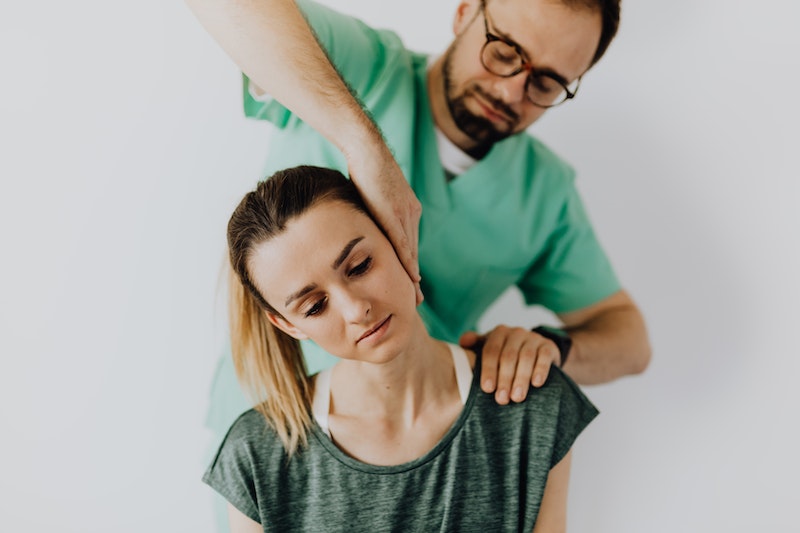
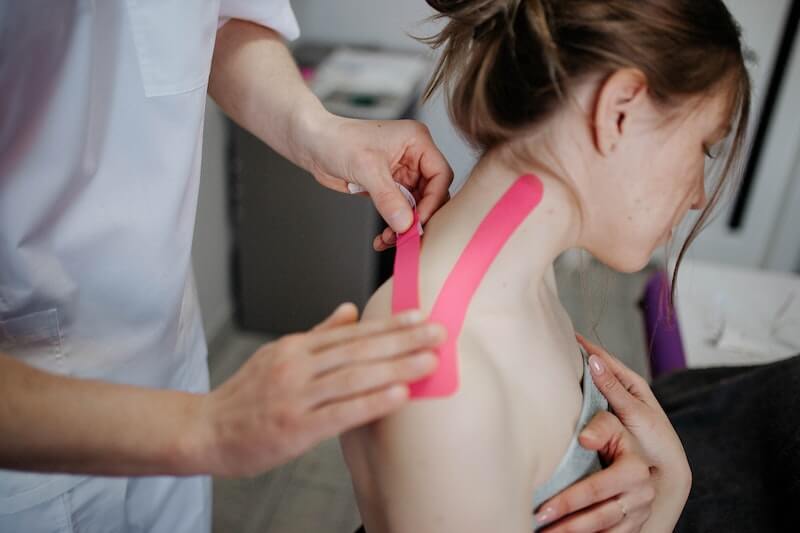
    Neck Pain
    Neck Pain

    Evaluating Lifestyle Adjustments for Neck Pain

    While a multitude of external treatments exist, it’s equally essential to consider lifestyle modifications that can reduce the frequency and intensity of neck pain.

    Simple practices, including maintaining a good posture and taking regular breaks during work hours, can ease tension in the neck and shoulders. Yoga and mindfulness can minimize stress levels, thereby lowering the likelihood of muscle tension. A well-balanced diet also plays a crucial role in keeping the muscles healthy and functioning optimally.

    Decoding Pain Management: A Snapshot

    Pain management isn’t just about understanding causes and diagnoses or exploring treatments and lifestyle alterations. It’s primarily about appreciating that management is an ongoing journey, and one must remain patient, proactive and positive throughout the process.

    Remember, you are not alone in this journey. Sharing your experiences and lessons learnt with others enduring similar struggles can create a sense of community and shared resilience.

    Conclusion

    Conquering neck pain is a multifaceted battle, deserving equal parts medical attention, lifestyle modification, and self-care. Understanding its causes, identifying symptoms, exploring treatments, and implementing lifestyle tweaks are steps towards a pain-free existence. Yet, it’s also important to remember that seeking professional help when needed is pivotal.

    Indeed, neck pain, as common as it is, is anything but trivial. As we navigate our increasingly digital lives, prioritizing our wellbeing, both physical and mental, is more crucial than ever. Let’s take the journey to understanding, managing, and ultimately alleviating neck pain together – after all, resilience and wellbeing are often just a deeper understanding and a few lifestyle tweaks away.

  • Understanding the Root Causes of Back Acne in Chinese Medicine

    Understanding the Root Causes of Back Acne in Chinese Medicine

    Back acne, also known as “bacne,” is a common skin condition that affects many people worldwide. It can be an embarrassing and painful problem, causing both physical and emotional distress. To effectively treat back acne, it is essential to understand its root causes. Chinese medicine offers a unique perspective on the underlying reasons for back acne and provides natural and holistic solutions for treating this condition.

    In this article, we will delve into the root causes of back acne in Chinese medicine, explore various treatment options, and discuss the role of diet and lifestyle in preventing and managing back acne. By understanding these principles, you can take control of your skin health and achieve a clear, radiant complexion.

    1. The Chinese Medicine Perspective on Back Acne

    In Chinese medicine, back acne is often attributed to imbalances in the body’s energy, known as Qi (pronounced “chi”), and blood. These imbalances can be caused by various factors such as poor diet, emotional stress, and environmental toxins. By addressing the root causes of these imbalances, Chinese medicine seeks to restore harmony within the body and promote overall skin health.

    Unlike conventional Western medicine, which typically focuses on treating the symptoms of acne with topical creams and medications, Chinese medicine takes a more holistic approach. It aims to identify and treat the underlying causes of acne, which may include issues with digestion, circulation, and hormonal balance.

    2. The Role of Qi and Blood in Back Acne

    In Chinese medicine, the skin’s health is closely linked to the proper flow of Qi and blood throughout the body. When Qi and blood become stagnant or imbalanced, it can lead to a buildup of toxins and inflammation, which can manifest as acne on the skin.

    There are several factors that can contribute to Qi and blood stagnation in the body, including:

    • Poor diet: Consuming excessive amounts of greasy, spicy, or sugary foods can contribute to the stagnation of Qi and blood, leading to acne breakouts.
    • Emotional stress: High levels of stress can disrupt the flow of Qi and blood, causing imbalances in the body.
    • Hormonal imbalances: Fluctuations in hormone levels, particularly during puberty, menstruation, and pregnancy, can lead to imbalances in Qi and blood, resulting in acne.

    By addressing these factors and promoting the healthy flow of Qi and blood, Chinese medicine can effectively treat the root causes of back acne.

    3. The Importance of Diet and Lifestyle in Treating Back Acne

    In Chinese medicine, diet and lifestyle play a crucial role in maintaining the body’s balance of Qi and blood. A healthy diet, regular exercise, and adequate sleep are essential for promoting overall skin health and preventing back acne.

    Some dietary tips for preventing and treating back acne in Chinese medicine include:

    • Avoiding greasy, spicy, and sugary foods: These types of foods can contribute to the stagnation of Qi and blood, leading to acne breakouts.
    • Consuming a balanced diet: Eating a variety of fruits, vegetables, whole grains, lean proteins, and healthy fats can help to promote the healthy flow of Qi and blood throughout the body.
    • Drinking plenty of water: Staying hydrated is essential for maintaining healthy skin and flushing toxins from the body.

    In addition to a healthy diet, regular exercise, and stress management techniques such as meditation, yoga, and tai chi can help to promote the healthy flow of Qi and blood, reducing the risk of back acne.

    4. Herbal Remedies for Back Acne

    Chinese medicine offers a variety of herbal remedies for treating back acne. These herbs work to detoxify the body, reduce inflammation, and promote the healthy flow of Qi and blood. Some commonly used herbs for treating back acne include:

    • Burdock root (Arctium lappa): This herb is known for its detoxifying properties and can help to cleanse the blood and reduce inflammation in the body.
    • Honeysuckle (Lonicera japonica): Honeysuckle has antibacterial and anti-inflammatory properties, making it an effective treatment for acne-prone skin.
    • Dandelion (Taraxacum officinale): Dandelion is a powerful detoxifier that can help to cleanse the liver and improve digestion, reducing the risk of acne breakouts.

    It is essential to consult with a qualified practitioner of Chinese medicine before using herbal remedies, as they may interact with other medications or cause side effects.

    5. Acupuncture for Back Acne

    Acupuncture is another effective treatment for back acne in Chinese medicine. By stimulating specific points in the body, acupuncture can help to promote the healthy flow of Qi and blood, reducing inflammation and promoting overall skin health.

    Several studies have shown that acupuncture can be an effective treatment for acne, including back acne. In one study published in the Journal of Traditional Chinese Medicine, participants who received acupuncture treatments for acne they have experienced significant improvements in their skin condition compared to those who did not receive acupuncture.

    6. Stress and Back Acne

    As mentioned earlier, emotional stress can play a significant role in the development of back acne. High levels of stress can disrupt the flow of Qi and blood, leading to imbalances in the body that can manifest as acne.

    In addition to adopting a healthy diet and lifestyle, practicing stress management techniques such as meditation, deep breathing exercises, and mindfulness can help to reduce stress levels and promote overall skin health.

    Conclusion

    Understanding the root causes of back acne in Chinese medicine is essential for effectively treating this common skin condition. By addressing imbalances in Qi and blood, adopting a healthy diet and lifestyle, and utilizing natural treatments such as herbal remedies and acupuncture, you can achieve a clear, radiant complexion and prevent future breakouts.

    Remember that it is essential to consult with a qualified practitioner of Chinese medicine before embarking on any treatment plan, as they can provide personalized advice and guidance based on your unique needs and circumstances. With the help of Chinese medicine, you can take control of your skin health and enjoy the confidence that comes with clear, healthy skin.