Category: Lifestyle

  • The Most Effective Home Remedies for Blocked Drains

    It’s a common scenario – you’re in the middle of doing dishes and the water starts pooling in the sink, ignoring your pleas to drain away. Or perhaps your shower starts to resemble a bath because the water simply refuses to drain. Blocked drains are a frustrating and all-too-familiar problem that almost everyone encounters at some point. This article aims to spotlight a range of environmentally-friendly, home remedies to clear these pesky blockages. By choosing natural alternatives over harsh chemicals, we not only safeguard our pipes but also contribute to the well-being of our planet.

    The Importance of Proactive Drain Maintenance

    Before we dive into the different remedies for clearing blocked drains, it’s vital to understand the importance of proactive drain maintenance. Regularly maintaining and cleaning your drains can prevent blockages, damage to your sewer lines, and ultimately save you money in repair costs. Regular drain cleaning also helps to eliminate odours and improve overall sanitation. Prevention is always better than cure; by adopting habits like not pouring grease or oil down the sink, using a hair catch in the bathroom drain, and regularly using natural drain cleaners, you can prevent those dreaded blockages.

    A Closer Look at Drain Blockages

    Understanding why drains get blocked can be helpful in preventing them. Everything from our daily routines to occasional negligence can culminate in a blocked drain. Hair, food particles, and grease are the usual suspects behind most household drain clogs. Hair, for example, can bind with grease or other sticky substances to form clumps, which gradually obstruct the drain. Similarly, pouring grease, fat or oil from your frying pan into your kitchen sink can solidify over time, forming a stubborn blockage. If food particles enter the system, they too can get trapped and add to the problem.

    The Role of Household Staples in Drain Maintenance

    You’d be surprised to know that everyday items sitting in your kitchen pantry can be powerful allies in drain maintenance. Household staples like vinegar, baking soda, and boiling water can all be used to clear drains effectively without posing any risk to your household or the environment. For instance, vinegar with its acetic acid properties can break down gunk or greasy build-up in your pipes, while baking soda with its mild abrasive nature can scrub and dislodge the clog. And don’t underestimate the simple power of boiling water—its heat can dissolve or dislodge many common sources of blockages.

    Step-by-Step Guides to Natural Home Remedies for Clearing Blocked Drains

    Now that we have understood the why and the how of drain blockages, let’s explore some DIY solutions to unclog the drains using household staples. There are numerous ways to use common household items like vinegar and baking soda to clear blocked drains. One such method involves pouring 1/2 cup of baking soda into the drain, followed by 1/2 cup of vinegar and covering it. Wait 15-20 minutes and rinse with hot water. This is a simple, yet effective method, requiring ingredients that are often readily available in most kitchens.

    When to Call a Professional

    While these home remedies can be effective for smaller blockages, it’s important to acknowledge when the problem may require professional attention. Typically, if the blockages persist after trying these remedies or there’s a foul smell emanating from the drains, it’s time to call in a professional. Attempting to force the blockage could potentially cause more damage resulting in costlier repairs.

    The Environmental Impact of Chemical Drain Cleaners

    These cleaners often contain potent chemicals, which when washed down the drain, can pollute water bodies, harm aquatic life, and contaminate our drinking water sources. As a responsible inhabitant of the planet, it’s important we embrace natural alternatives. Not only are these eco-friendly solutions effective, but they are also better for the longevity of our pipes.

    Conclusion

    From baking soda and vinegar to boiling water, we’ve explored a variety of natural DIY solutions to help keep your drains flowing freely. These methods are quite simple, highly effective, and they pose no harm to our environment. By attempting these eco-friendly solutions, you’re not only taking care of your home maintenance but also contributing to a more sustainable planet. Do share your experience with these methods or if you have any more natural solutions, feel free to share them in the comments below!
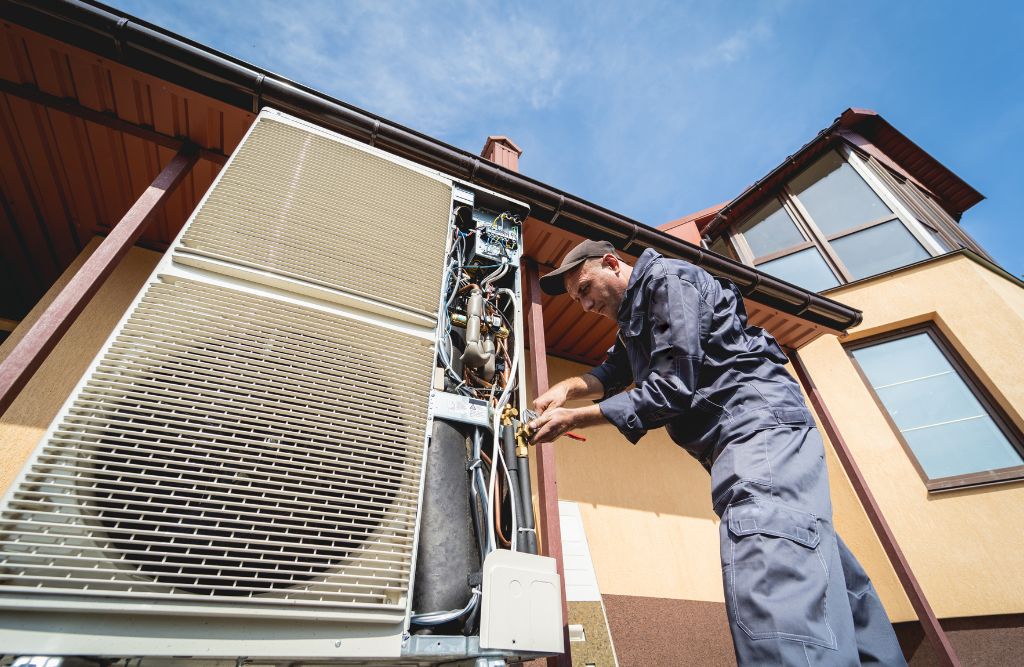

  • Improving Home Comfort: A Look Into The Role Of Electric Heating And Cooling Systems

    Improving Home Comfort: A Look Into The Role Of Electric Heating And Cooling Systems

    Have you ever wondered how can you achieve perfect home comfort at the touch of a button? Or have you found yourself marveling at the wonders of modern technology that make our homes more comfortable and convenient? Today, we’re taking a deep dive into the world of electric heating and cooling systems, a testament of human ingenuity dedicated to enhancing indoor wellbeing. A well-performing heating and cooling system can be a game-changer since your comfort at home is greatly influenced by the quality of air and temperature regulation. Grab a cup of tea, sit back, and embark with us on this exploration journey of electric heating and cooling systems in our homes.

    Unveiling the Mystery: What are Electric Heating and Cooling Systems?

    When we talk about electric heating and cooling systems, we are referring to the machines and technologies that regulate the temperature inside your home, keeping it within a comfortable range regardless of the conditions outside. These can be broadly classified into three categories: central systems, split systems, and portable units. Central units maintain the temperature of the entire building through a network of ducts, while split systems control the climate of individual rooms. Portable units, on the other hand, can be moved from one room to another as needed.

    Behind the Magic: How do These Systems Work?

    Without delving into the complex science, let’s take a simplistic tour of how these electric heating and cooling systems function. The core principle involves manipulating the physical and chemical properties of various gases to absorb and release heat efficiently. For air conditioning, the system absorbs heat from the room and expels it outside, while for heating, the pattern is reversed.

    The Advantages: Why Choose Electric Heating and Cooling?

    Electric heating and cooling systems are increasingly preferred for their numerous advantages. Firstly, they offer precise control over the temperature. Secondly, they yield a consistent climate, unlike traditional heating methods that can leave pockets of cold or hot air. Thirdly, these systems are mostly silent and barely noticeable. Lastly, they are energy-efficient, cutting down your monthly utility bills impressively.

    The Drawbacks: Are There Any Downsides?

    Like any innovation, electric heating and cooling systems are not without their downsides. The initial installation costs may be high. Depending on the unit and the layout of your house, installation might require structural modifications. Ongoing maintenance costs can also add up over time. Still, these cons can be mitigated through cost-efficient choices and regular maintenance.

    Making Smart Choices: How to Choose the Right System?

    The key to optimal benefit from these systems lies in choosing the right one for your home. Consider your climate, the size and structure of your home, your budget, and your personal comfort preferences when making this choice. It might be best to consult a professional for advice tailored to your specific situation.

    The Green Factor: Are Electric Heating and Cooling Systems Sustainable?

    In the age of sustainability, the environmental impact of any technology is a vital concern. Thankfully, modern electric heating and cooling systems are designed to be energy efficient, conserving resources while delivering optimal results. With environmentally friendly refrigerant gases and recyclable components, these systems are a responsible choice for the planet.

    Conclusion

    Improving home comfort is no longer a daunting task with the advent of electric heating and cooling systems. From offering precise temperature control to maintaining consistent comfort, they significantly enhance our indoor experience. Despite the initial costs and the need for routine maintenance, the advantages clearly outweigh the drawbacks. When choosing a system, consider your unique living situation and look for energy efficient models. Ultimately, these systems are not only a pathway to comfortable living but also reflect our commitment to sustainability. There’s no denying that electric heating and cooling systems have transformed the way we experience home comfort – and the journey has just begun.

    Choose Smart Electric Heating and Cooling for Your Home and enjoy energy-efficient comfort all year round. Make the switch today for a greener, cost-effective solution!

  • What Are The Advantages Of Bathroom Renovations?

    What Are The Advantages Of Bathroom Renovations?

    Creating a bathroom that serves its purpose in every way possible requires careful consideration of space, layout, and furnishing. If your bathroom space is a little inconvenient for your everyday activity, you might need a bathroom renovations. Moreover, renovating a bathroom is also majorly preferred to add or change the look of that place. Changing out fixtures like the sink and shower may completely transform the aesthetic of your bathroom.

    However, a home or the homeowner can be beneficial in many ways when bathroom renovations is considered.

    The Advantages of Bathroom Renovations

    The main advantages that come from renovating a bathroom are as follows:

    • Upgrade the look of your bathroom:

    As colors and styles are evolving day after day, your bathroom will begin to take on an increasingly aged appearance. Additionally, as time passes, plumbing issues arise, odors develop in old carpeting, and worn-out fixtures and fittings become an issue. The bathroom ages may be deduced from details such as the tiling, colors, toilet, and fixtures like the faucets. Also, you may be bored with your morning routine in the restroom.

    The bathroom will be benefited from the updated appearance and the feel of the rest of the house will also change. Bathroom renovations will make the space seem cleaner and more welcoming.

    • Saves Time and Effort:

    Older bathrooms waste a lot of water and power since they were designed with different efficiency standards. Wasted water, inadequate lighting, and other issues reduce the quality of the environment and hurt your pocket. In addition, mildew and mould growth, and improper ventilation may be a problem in an older bathroom.

    This moment is right to consider water-saving options like low-flow commodes and shower heads. A Bathroom renovations can also include increasing the window size, changing the wall color, have a fresh coat that will reduce those issues.

    • Secure the toilet and shower area:

    If you have small children, the safety of your bathroom should be a top priority when planning a bathroom renovations. Most household mishaps happen in the bathroom, but this is easily preventable with a few adjustments. There are a variety of bathroom goods available, including expanded entrances, nonslip flooring, and enclosed shower stalls and stalls with glass doors.

    • Improve the usability of the washroom:

    Lifestyle changes can cause a shift in toilet use patterns. For instance, the need for a bathtub only becomes apparent when children enter your family. Before this point, a shower is enough.

    However, when individuals become older, they no longer need a bathroom with a bathtub. They avoid taking baths since getting in and out of a tub might be tricky for them. Equally, having two larger sinks is preferable to having only one smaller one. Thus, as per your requirement, you can change the usability of your bathroom.

    • Repair Damage:

    Dripping pipe causes water damage. Damage caused by mould due to stagnant air. even the tiles may be cracked. If there is damage in your bathroom, regardless of the cause, you should prioritize renovating it before the problem worsens.

    • Make your house more appealing to potential buyers:

    Adding to your home’s market value is a significant incentive you get with a bathroom renovations. Updating the bathroom is one method to stand out from the crowd and guarantee a quick sale. There is a correlation between the age of a bathroom and its ability to fetch a price, so it makes sense that houses with updated or brand-new bathrooms get a higher price. Renovating your bathroom is a smart financial move that will provide you with years of pleasure.

    • You may increase the size of your bathroom:

    A spacious bathroom is always convenient. It is a result of careful planning and execution. You may add space to your bathroom by doing a significant bathroom renovations and reconstruction project, or you can increase space by redesigning the arrangement of the space and using fixtures that better match what you already have.

    Whether you want to replace your bulky vanity with a sleeker one or add storage in ingenious locations, a bathroom renovations can help you design the space that best suits your requirements.

    Conclusion

    Moreover, as you can see, renovating your bathroom has several significant advantages. Renovating your bathroom is not only in trend now. It is also a requirement you must do. So, if you are long been toying with the thought of revamping your bathroom then just don’t wait anymore but go for it and create your personal haven of bliss.

  • Revitalizing Spaces: A Comprehensive Guide to Interior Renovation Strategies

    Revitalizing Spaces: A Comprehensive Guide to Interior Renovation Strategies

    Interior renovation is a transformative process that breathes new life into living spaces, enhancing functionality, aesthetics, and overall comfort. Whether you’re looking to modernize a dated home, optimize the functionality of a space, or simply refresh your surroundings, a well-planned interior renovation can make a significant difference. In this comprehensive guide, we’ll explore key strategies for successful interior renovation, from initial planning to the final touches.

    1. Assessment and Planning: Before diving into a renovation project, a thorough assessment of the existing space is crucial. Identify the strengths and weaknesses, considering aspects such as layout, lighting, and existing features. Create a clear vision of your goals and priorities for the renovation. Collaborating with design professionals or architects at this stage can provide valuable insights and ensure a cohesive plan.
    2. Budgeting and Prioritization: Establishing a realistic budget is fundamental to a successful renovation. Consider all potential costs, including materials, labor, and unforeseen expenses. Prioritize areas that require immediate attention, such as structural issues or safety concerns. Allocate resources wisely to achieve the most impactful results within your budget constraints.
    3. Design Inspiration and Trends: Draw inspiration from design trends and styles that resonate with your vision. Explore various sources, including interior design magazines, online platforms, and social media. While trends can offer inspiration, it’s essential to balance them with timeless elements to ensure your renovated space remains relevant for years to come.
    4. Functional Layouts and Space Optimization: Focus on creating a functional layout that maximizes the use of available space. Consider the flow between rooms, and explore innovative storage solutions to declutter and organize. A well-thought-out layout not only improves daily living but also enhances the overall appeal of the interior.
    5. Material Selection and Sustainability: Choose materials that align with your design aesthetic while considering their durability and environmental impact. Sustainable choices not only contribute to a greener future but also add value to your property. Explore eco-friendly options for flooring, countertops, and finishes to create a healthier and more responsible living environment.
    6. Incorporating Smart Technology: Embrace the future by integrating smart technology into your renovated space. From energy-efficient lighting systems to smart home security, these innovations enhance convenience and efficiency. Consider incorporating automated thermostats, lighting controls, and entertainment systems to create a modern, connected living experience.
    7. Quality Craftsmanship and Professional Contractors: Invest in skilled and reputable contractors to bring your renovation vision to life. Quality craftsmanship ensures longevity and a polished finish. Research and obtain references before selecting contractors, and communicate clearly about your expectations. Regular check-ins during the renovation process help address any issues promptly.
    8. Effective Project Management: Successful interior renovation requires effective project management. Create a detailed timeline, accounting for potential delays, and maintain open communication with your contractors. Regularly assess progress against the plan, making adjustments as needed. Clear communication and a well-managed timeline contribute to a smoother renovation experience.
    9. Finishing Touches and Personalization: The finishing touches define the character of your renovated space. Personalize the interior with artwork, decorative elements, and furnishings that reflect your taste and style. Thoughtful details, such as lighting fixtures and window treatments, elevate the overall ambiance and create a cohesive, inviting atmosphere.

    Conclusion:

    Interior renovation is a dynamic process that demands careful planning, creative vision, and attention to detail. By following these comprehensive strategies, you can embark on a transformative journey to revitalize your living spaces, achieving a harmonious blend of functionality, aesthetics, and comfort. As you embark on your interior renovation project, embrace the opportunity to create a home that not only meets your current needs but also evolves with your lifestyle over time.

  • The Art of Personalisation in Aged Care: A Revolution in Assisted Living

    The Art of Personalisation in Aged Care: A Revolution in Assisted Living

    In the modern narrative of aged care, what does ‘personalisation’ mean exactly? How does your concept of ‘home’ fit into the framework of this evolving care model? And how does this notion affect every aspect of senior living, from the architectural design to the mundane daily routines?

    Stepping into the world of senior living, you can’t help but pivot towards the age-old adage: ‘Home is where the heart is’. This assertion is just as apt for our elders as it is for us, if not more. Accordingly, the aged care sector is evolving from a ‘one size fits all’ approach to one of individual needs, preferences, and desires. The impetus now is to create environments which truly feel like home.

    In this expansive blog post, we explore the profound concepts of ‘personalisation in aged care’. We will delve into why it is essential, who it benefits, and the manifold effect its adoption brings about in aged-care homes.

    Unpacking Personalisation: The ‘Why’ in Aged Care

    Personalisation, in essence, is more than just understanding seniors’ unique parameters of comfort. It is about respecting their individuality, cherishing their memories, and appreciating every fragment of their personality that transforms an aged care facility into a home.

    There is a rise in the culture of ‘person-centred care’ that acknowledges every resident as an individual with unique tastes, preferences, and life stories. This philosophy cultivates an atmosphere of respect, where seniors feel valued and heard. Their choices are reflected everywhere – from the interior design elements to meal plans, from activity regimes to customised healthcare provision.

    However, the core rationale behind personalisation is fostering a sense of belonging in our elders. Research reveals that seniors who feel genuinely ‘at home’ tend to be both physically and mentally healthier. In a personalised care environment, they have agency, autonomy, and tenacity to lead a life close to the one they had prior to moving.

    Constructing Personal Spaces: The ‘What’ in Aged Care

    So, how does personalisation translate into the fabric of aged care homes? Let’s peel back the layers.

    Primarily, it starts with the configuration of architectural spaces. Modern aged care homes strive to encapsulate the spirit of a ‘family home’, complete with shared communal spaces and private quarters. The idea is to promote interaction and provide opportunities for private contemplation.

    Next comes the interior décor. Personalising a caregiver’s space goes beyond aesthetics; it’s about aggregating a lifetime of sentimental value — their favourite artwork, cherished family photographs, or a collection of beloved books. The placement of these personal objects within their spatial vicinity can profoundly impact their emotional wellbeing.

    The last, but certainly not least, facet of personalisation dwells in the everyday routines. By giving seniors the liberty to shape their daily schedule, we ensure their comfort and contentment. It could be a favour for a particular meal, a preferred morning exercise regimen, or a chosen evening activity.

    Architects of Care: The ‘Who’ in Aged Care

    The adoption of personalization in aged care spans several trajectories. It involves caregivers and care receivers, families of the residents, and the administration. Even architects and interior designers play a critical role in crafting personalised environments.

    The caregivers have a pivotal role not only in executing personalised care plans but also in forging deeper emotional bonds. Care receivers, on the other hand, actively participate in shaping their living conditions, imparting a sense of control and dignity.

    Flip Side: Cons of Personalisation

    Despite the fantastic benefits of personalisation in aged care, there are a few drawbacks. It may put additional pressure on the caregivers, requiring more extensive training and resources. Similarly, seniors might face difficulty adapting to large-scale changes initially. However, with empathetic communication and gradual introduction of changes, these issues can be mitigated.

    The Proponents: Benefits of Personalisation

    In contrast, the merits of personalizing care are vast. It fosters empathy and respect, promotes a sense of belonging and happiness in seniors, and revitalises their physical and mental health. It also fuels caregivers with a sense of purpose and job satisfaction.

    As we collectively face an ageing global population, personalisation is paving the way for a novel, humanistic care approach, instilling independence and autonomy to our cherished elders while preserving their individuality.

    Conclusion

    On a concluding note, the role of personalisation in aged care is undisputedly transformative. Though it poses a few challenges, the extraordinary merits it brings to our elders far outweigh them. As we tread on the path of innovation and empathy, setting the stage for ‘person-centred’ care, personalisation gleams as the beacon lighting our way. Together, let’s curate homes reminisce about the warmth and tenderness of the past and harbingers a serene, joyous future for our esteemed elders.

  • Embracing the Outdoors: A Comprehensive Guide to Choosing the Right Materials for Your Outdoor Blinds

    Embracing the Outdoors: A Comprehensive Guide to Choosing the Right Materials for Your Outdoor Blinds

    Designing or renovating outdoor spaces can captivate one’s creativity. How can you balance appearance and functionality while contemplating various factors to ensure your outdoor space gives you the comfort you desire? One significant aspect and perhaps the most visible and practical element that you need to consider is outdoor blinds. But what material should your outdoor blinds be made of? How should you approach selecting the most suitable material for your unique space? Welcome to a comprehensive exploration of materials for outdoor blinds, in which we’ll discuss their various merits, drawbacks, practical implications, and aesthetic value.

    Outdoor blinds are no longer mere functional items; they are becoming central to the overall design and aesthetic appeal of outdoor spaces. Selecting the right material is not something to overlook; it could make all the difference between a patio that’s merely functional and one that’s an outdoor oasis. Let’s delve into the fascinating world of outdoor blind materials, their characteristics, and how they can transform your outdoor space.

    Why Material Matters in Outdoor Blinds

    Why such stress on the material used for outdoor blinds? The answer lies in the unique challenges outdoor furnishings face. Unlike indoor items, outdoor blinds must withstand the changing weather conditions and resist the brutal effects of the elements. Further, they need to seamlessly combine form and function.

    The type of material you choose directly impacts the longevity and effectiveness of your blinds. Different materials offer different levels of durability, UV protection, and weather resistance. Lastly, the material of your outdoor blinds significantly influences your space’s overall aesthetic, making it a point of design interest.

    Understanding the Different Materials

    Next in line is understanding the materials commonly used for outdoor blinds, which range from fabrics to metals. Each of these materials has specific features, advantages, and disadvantages, making them suitable for a variety of needs and climates.

    For instance, fabric blinds, especially the canvas and acrylic types, are very popular owing to their versatility and wide range of design possibilities. On the other hand, PVC blinds offer excellent clarity, thereby not blocking the view while providing protection. Metal blinds, usually aluminium, are best known for their robust durability and low maintenance.

    Outdoor Blinds
    Outdoor Blinds

    Evaluating the Pros and Cons

    There’s no one-size-fits-all solution when it comes to outdoor blinds, as each material has its unique pros and cons. While canvas and mesh fabrics are highly customizable and available in many designs, they, unfortunately, aren’t the most durable. PVC, although excellent in preserving views and providing protection from elements, can yellow over time and are sensitive to fluctuations in temperature. Meanwhile, aluminium is extremely durable and easy to maintain but lacks the stylistic versatility of fabric blinds.

    Considering Practical Implications

    Besides aesthetic considerations, practicality is a high priority when selecting materials for your outdoor blinds. Think about your local climate, how regularly you’ll use your space, the level of maintenance you’re prepared for, and, crucially, your budget.

    Adding an Aesthetic Touch

    Have you ever thought of outdoor blinds as a design element? Indeed, the material you choose can have a surprising impact on your patio or deck aesthetics, complementing or contrasting attractively with your outdoor furniture, plant selection, and overall design theme.

    Tailored Advice for Your Needs

    The impressive variety of materials for outdoor blinds means there’s something for everyone, for every need, and for every climate. It’s wise to seek advice from professionals who can guide you and ensure your choice matches your aesthetic and practical needs.

    Conclusion

    Choosing the right material for your outdoor blinds is a task that requires careful thought, weighing various factors from aesthetic considerations to practical implications. It’s not a decision to be rushed but approached with an open mind. By understanding the why’s and what’s of different materials and considering the pros, cons, practicalities, and aesthetic potentials, you’re sure to make the best material choice for your outdoor space. Remember, outdoor blinds are not just practical items to protect you from the weather elements but a design element that adds personality to your outdoor space.

  • Unravelling the Mystery of Neck Pain: Causes, Treatments and Lifestyle Tips for Resilience

    Unravelling the Mystery of Neck Pain: Causes, Treatments and Lifestyle Tips for Resilience

    Ever woken up with a stiff, aching neck that puts your day off to a rough start? Did you find yourself absentmindedly massaging your nape during another endless Zoom meeting? Neck pain, whether it manifests as a dull ache or a shooting pain, is never welcome. Most of the time, it’s a result of poor posture, long hours in front of the computer, or simple wear and tear. Other times, it’s a symptom of a deeper problem. So how do we untangle this complex issue that many of us deal with daily?

    In today’s musings, we embark on an exploration of the world of neck pain. I aim to unravel the mysteries of this common discomfort, delving into its typical causes, potential treatments, and vital preventive measures. Consider this a comprehensive guide to understanding, managing, and hopefully, conquering neck pain.

    Together, we’ll journey through medical insights, expert opinions, and groundbreaking research findings to illuminate the common triggers that cause neck pain, the prevalent treatments, and lifestyle adjustments that offer relief. Whether you’re a seasoned ‘neck-pain warrior’ or someone hoping to stave off the dreaded ache, this article is your trusted companion in this quest.

    Unearthing the Causes of Neck Pain

    It’s no secret that neck pain is a common ailment, but what are the usual culprits that lead to this pervasive problem? Let’s delve deeper.

    Stress and poor posture often play starring roles in the ‘neck pain drama.’ When stress levels are high, muscles tense up. Poor posture, whether seated at a desk or standing, further aggravates the strain, causing discomfort and pain. However, degenerative disc disease, neck injuries, and conditions like rheumatoid arthritis are also potential causes.

    In some instances, neck pain might signal the presence of an underlying medical condition, including heart disease. It’s essential to pay attention to pain and understand when professional medical help is required, knowing when to move from those at-home remedies to a doctor’s care.

    Interpreting Symptoms and Seeking Diagnosis

    Understanding the language of neck pain, and decoding symptoms is a vital part of the journey. Does the pain radiate to your arms or shoulders? Are you experiencing numbness or loss of strength in your hands? Have you noticed any problems with coordination? Each symptom can be a different chapter in the neck pain story and can help you decide whether to see a healthcare provider.

    A series of diagnostic tests, including X-rays, CT scans, or MRI imaging, are often involved in diagnosing neck pain. Once the diagnosis is in place, the treatment journey can commence earnestly, targeting the root cause.

    Reviewing Neck Pain Treatments

    At this juncture, it would be apt to review the various treatment options for neck pain, starting from simple exercises all the way to surgical intervention.

    Physical therapies and exercises are usually the first line of defence. Being active encourages healthy circulation, gently working the muscles and joints in the neck. Medications like anti-inflammatory drugs and muscle relaxants can help to manage symptoms and alleviate pain.

    In some cases, surgical intervention might be warranted for herniated discs, neck injuries, or other structural problems. Doctors also consider alternative therapies such as acupuncture or chiropractic adjustments in certain situations.

    Neck Pain
    Neck Pain

    Evaluating Lifestyle Adjustments for Neck Pain

    While a multitude of external treatments exist, it’s equally essential to consider lifestyle modifications that can reduce the frequency and intensity of neck pain.

    Simple practices, including maintaining a good posture and taking regular breaks during work hours, can ease tension in the neck and shoulders. Yoga and mindfulness can minimize stress levels, thereby lowering the likelihood of muscle tension. A well-balanced diet also plays a crucial role in keeping the muscles healthy and functioning optimally.

    Decoding Pain Management: A Snapshot

    Pain management isn’t just about understanding causes and diagnoses or exploring treatments and lifestyle alterations. It’s primarily about appreciating that management is an ongoing journey, and one must remain patient, proactive and positive throughout the process.

    Remember, you are not alone in this journey. Sharing your experiences and lessons learnt with others enduring similar struggles can create a sense of community and shared resilience.

    Conclusion

    Conquering neck pain is a multifaceted battle, deserving equal parts medical attention, lifestyle modification, and self-care. Understanding its causes, identifying symptoms, exploring treatments, and implementing lifestyle tweaks are steps towards a pain-free existence. Yet, it’s also important to remember that seeking professional help when needed is pivotal.

    Indeed, neck pain, as common as it is, is anything but trivial. As we navigate our increasingly digital lives, prioritizing our wellbeing, both physical and mental, is more crucial than ever. Let’s take the journey to understanding, managing, and ultimately alleviating neck pain together – after all, resilience and wellbeing are often just a deeper understanding and a few lifestyle tweaks away.

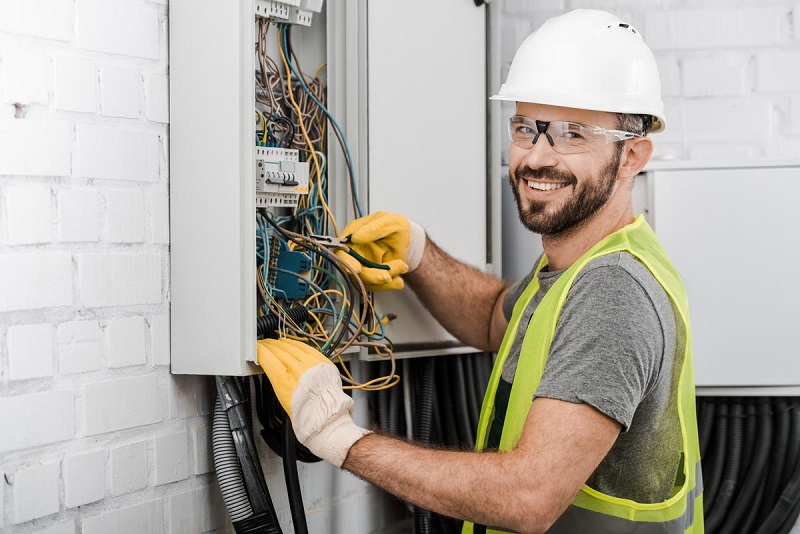
  • Wired for Success: The Role of a Professional Electrician

    Wired for Success: The Role of a Professional Electrician

    Imagine living in a world without electricity. It’s difficult, isn’t it? It’s impossible to imagine our lives without the convenience and comfort that electricity provides. But who ensures that our homes, offices, and industries are safely wired and functioning optimally? The answer is a professional electrician. They play a crucial role in our everyday lives, ensuring that our electrical systems are safe and efficient. In this article, we delve into the role of a professional electrician, their importance in home renovations and improvements, and how to select the right one for your needs.

    Understanding the Role of a Professional Electrician

    A professional electrician is responsible for installing, maintaining, and repairing electrical systems in residential, commercial, and industrial settings. This includes everything from wiring installations, lighting fixtures, and control systems to electrical appliances and equipment. They need to understand blueprints, technical diagrams, and safety regulations to ensure that the electrical work is done correctly and safely. Additionally, electricians often troubleshoot problems, conduct inspections, and provide solutions to rectify any electrical issues.

    The Importance of Licensing and Certification

    Like any other profession, electricians need to have the right qualifications and certifications. Having a license ensures that the electrician has undergone the necessary training and apprenticeship to perform the job safely and correctly. This also means that they are aware of the latest safety codes and regulations. Hiring a licensed electrician not only ensures quality work but also gives you peace of mind knowing that your home is in safe hands.

    Selecting the Right Electrician for Your Home

    Choosing the right electrician for your home is crucial. You should consider factors such as experience, qualifications, and reputation. Always ask for references and check online reviews. Additionally, make sure that the electrician is insured. This protects you from any liabilities in case of accidents or damages during the electrical work. A good electrician will also provide you with a detailed estimate, explaining the work to be done and the associated costs.

    The Evolving Role of the Professional Electrician

    The role of an electrician goes beyond just setting up wiring and fixing electrical faults; it’s a profession that requires a high level of expertise, precision, and safety consciousness. In the context of home renovations, the electrician’s role includes planning and designing the electrical system, installing wiring and fixtures, ensuring safety standards are met, and troubleshooting any electrical issues that may arise.

    The Importance of Electrical Safety during Renovations

    Electrical safety is paramount during home renovations. The risk of electrical shocks, fires, and other hazards is significantly high when dealing with electrical work. A professional electrician ensures that all electrical installations and modifications meet the required safety standards. They are trained to identify potential hazards and take preventative measures to mitigate risks.

    The Future of Home Electrical Work

    As our homes become more integrated with technology, the future of home electrical work is evolving. Today’s electricians need to be knowledgeable about smart home technology, renewable energy solutions, and more advanced electrical systems. Electricians are no longer just dealing with wires and circuits; they’re now required to understand and install complex home automation systems, energy-efficient lighting, and solar panels.

    Why Hire a Professional Electrician for Home Renovations?

    Hiring a professional electrician for home renovations is more than just a smart decision; it’s a necessity. Apart from ensuring safety, a professional electrician can provide expert advice on the best electrical solutions for your home. They can also help you save money in the long run by installing energy-efficient systems and avoiding costly mistakes. Moreover, a professional electrician ensures that all work is compliant with local building codes, which is crucial for avoiding fines and ensuring the resale value of your home.

    The Role of Electricians in Home Improvement and Renovation

    Electricians play a significant role in home renovations and improvements. They ensure that the new electrical installations are done correctly, safely, and according to the latest safety codes. They can also help in upgrading the existing electrical system to accommodate the increased power needs. Whether it’s installing new lighting fixtures, adding new outlets, or rewiring the entire house, a professional electrician can make your home improvement project a success.

    Electrician

    Conclusion

    In conclusion, a professional electrician plays a vital role in our lives, ensuring that our homes and workplaces are safe and efficient. Whether it’s a minor repair or a major home renovation, hiring a licensed and experienced electrician is crucial for the success of the project. So, the next time you need electrical work done, remember to hire a professional. After all, when it comes to electricity, it’s always better to be safe than sorry.

  • Concrete Sealing to Enhance the Interior Look of Your House

    Concrete Sealing to Enhance the Interior Look of Your House

    Concrete is a versatile construction composite and it will usually last for decades. This, however, is subject to the concrete slab retaining its integrity. In real life situations concrete always develops cracks. Cracks let in water and air and this can cause rusting of steel rods in reinforced concrete and deterioration of the aggregate. The result is further expansion. You do not need to spend any maintenance cost for this concrete sealing, and you can easily use this sealing for a long time. If you find any crack or damage on the concrete sealing, then you can easily repair these portions at a minimum cost.

    concrete-floor

    What are the Features of Concrete Sealing?

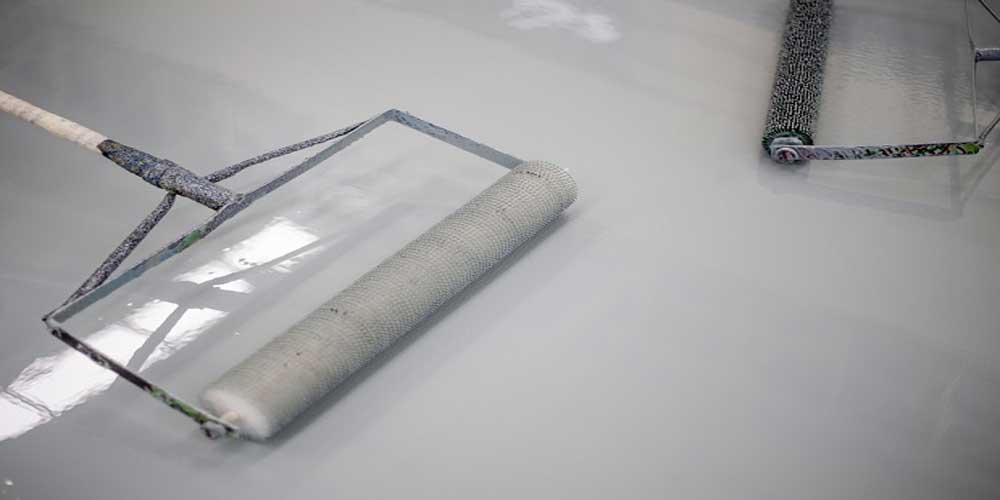
    One way to ensure concrete retains its integrity is to seal it. Before you begin you will need tools such as a wire brush to scrape and clean the surface so that the sealer will adhere. You will also need brush applicator, sprayer, roller, gloves, thinner, dust mask and, of course, the sealant. The concrete sealing material can be selected as per your requirement, and you can also mix these materials as per your uses. It is recommended to make your sealing strongest, with more amounts of cement and sand which are necessary for concreting task.

    • Concrete sealing materials are classified according to their functions. Penetrating sealers penetrate capillaries and cracks in the concrete and protect the material from ingress of air and moisture. This type is usually recommended for concrete roofs, walls and slabs in the garden.
    • Water based acrylic concrete sealants are also effective but do not have a long life. However, it is easy to apply acrylic sealants for concrete.
    • Epoxy concrete sealants are tough, strong and will last for a long time. These are best used on concrete countertops in kitchens, concrete roofs, concrete walls and slabs in high traffic areas. Besides being tough epoxies are also resistant to most chemicals and provide water-proof covering besides holding together the concrete aggregate, thus adding strength. Polyurethane concrete sealing materials are tough and can be used on roofs, walls, countertops and floors. Polyurethane is also some what more flexible than epoxy besides being resistant to chemicals. Then there are densifiers and hardeners that have deep penetrating action with high water repellency properties.

    flooring

    3 important Advantages of Concrete Sealing:

    Applying concrete sealing is simple enough. However, it is important to wire brush the surface to remove all dirt and loose particles. Degreasing is also a good idea since presence of oil will prevent adhesion of the sealant film. Wash and let the surface dry thoroughly before applying the sealant.

    • You can use acrylic, epoxy based or polyurethane based sealant. It may be a single component resin or two parts, in which case it is necessary to mix thoroughly and apply as quickly as possible before the sealant sets.
    • Generally, depending on viscosity and film thickness required, a gallon of sealant will cover from 75 to 200 square feet. The process involves application of a first thin coat, the sealant thinned with a solvent, and allowed to dry before applying the second and, if required, a third final coat.
    • You can also use a roller for faster application but avoid brushing too much or squeezing the roller too flat. Once done, clean the brush and tools with solvent, thinner or water, depending on the type of sealant used.

    If the concrete has developed cracks, it is best to use epoxy or polyurethane putty to seal the cracks. If the cracks are deep then you will find that pressure injection of epoxy resin or polyurethane into the cracks will help in deeper penetration, better bonding and enhanced life.

  • Creating Lasting Memories with Custom Name Blanket

    Creating Lasting Memories with Custom Name Blanket

    In our world today, where you often see generic, off-the-shelf gifts being hurriedly grabbed and hastily given, customisable blankets offer a breath of fresh air. Offering a refreshing alternative, these blankets are not just another factory-produced product – they’re unique, personal, and thoughtful.

    With the amazing level of personalisation they offer, you get a chance to put your heart into the gift. You can choose the colours, patterns, or even monogram it with the recipient’s initials. It’s not just a blanket – it’s a story, a memory, a symbol of your relationship with the person. It’s a gift that speaks volumes about how much you value them.

    Moreover, customisable blankets aren’t just for show – they’re practical too. They’re perfect for those chilly winter nights, or when you just want something cosy to snuggle into. They’re a gift that keeps on giving, providing comfort and warmth long after the occasion has passed.

    So, if you’re scratching your head, trying to figure out the perfect gift – why not consider a customisable blanket? It’s more than just a gift – it’s a warm, snuggly hug that wraps the recipient in your love and care. It’s a gift that stands out, a gift they’ll remember. It’s time to ditch the impersonal and embrace the personal with a customisable blanket. After all, it’s the thought and care that counts, and there’s no better way to show it than with a gift tailored just for them.

    The Allure of Custom Name Blankets:

    The trend of gifting custom name blankets has gained significant traction over the years. These blankets are not just ordinary blankets but unique pieces of art that carry a personal touch. They can feature the recipient’s name, birth date, or even a special message, making them a perfect gift for new parents, baby showers, christenings, or any celebratory occasion.

    Personalized Baby Blankets: More Than Just a Gift:

    A personalized baby blanket is more than just a gift; it’s a tangible manifestation of love, warmth, and care. It’s a memento that carries the potential to become a family heirloom passed down through generations. Moreover, a custom baby blanket can be a comforting companion for a child, providing a sense of security and familiarity in their early years.

    The Art of Creating a Custom Baby Blanket:

    Creating a custom name blanket requires a blend of creativity, skill, and attention to detail. It starts with selecting the right fabric that offers comfort, durability, and aesthetic appeal. The next step involves personalization, where names, dates, or messages are embroidered or printed onto the fabric. The final product is a unique and personalized blanket that tells a unique story.

    Unleashing Creativity with Personalized Name Blankets:

    Personalized name blankets offer a canvas to unleash creativity. They can be customized in numerous ways – from choosing the color, pattern, and design, to picking the typography for the name or message. This creative freedom allows for the creation of a truly one-of-a-kind gift.

    The Role of Custom Baby Blankets in Memory Creation:

    Custom baby blankets play a pivotal role in memory creation. They capture a snapshot of a special time in our lives, making them an emotional keepsake. Long after the baby has outgrown the blanket, it continues to serve as a fond reminder of their childhood. It’s a piece of the past that can be held, touched, and treasured.

    Conclusion: Crafting Cherished Keepsakes:

    In conclusion, a custom name blanket is more than just a blanket; it’s a vessel of memories, emotions, and love. It’s a gift that transcends material value, offering a unique way to commemorate life’s special moments. Crafted with care, personalized with love, and cherished for a lifetime – that’s the magic of a custom name blanket. In the world of gifts, few can match the sentimental value and enduring appeal of a personalized baby blanket. It’s a testament to the fact that the best gifts are not always the most expensive ones, but the ones that carry the most meaning. Happy gifting!